PROJECT MEIJI JINGU
Starting the autumn of 2025, Jerret Gardner is going to use the traditional Japanese style of water color called Sumi-e to paint 12 Meiji Jingu Shrine inspired koi fish. This project will be a multi-medium art project consisting of Sumi-e, digital design, 3D design, photography, and web design. A custom hanko stamp will also be made by the artist with his kanji characters for Niwashi Tenka — The gardener who came down from heaven.
Upon refresh and reentry of the URL jerretgardner.com the 12 koi fish reorientate themselves in a different random configuration. This also occurs with 10 out of the 12 koi fish art works. One of the koi fish art works links to this page you are now reading. Another links to the artist's company design page, starsevendesign.com. Happy Easter egg hunting!!!
This page is the story of Project Meiji Jingu and the artist's journey to complete this exhibition in all of its facets.
11/22/2025: Trip to Meiji Jingu in Harajuku for Ginkgo Leaves
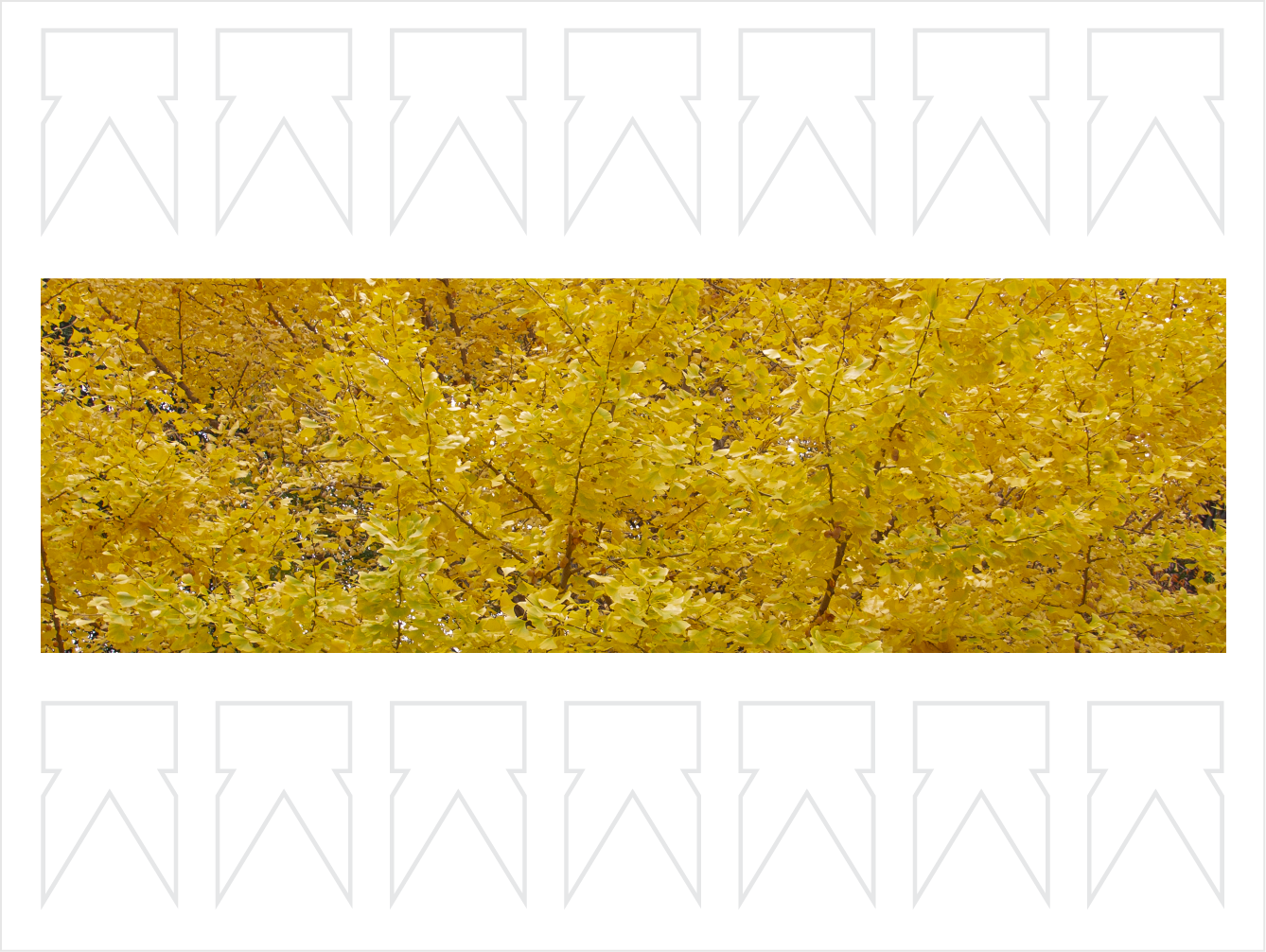
Today I headed over to the famous ginkgo avenue at Meiji Jingu Gaien, right near Harajuku. The trees were at their peak. Everything glowing bright golden, with leaves all over the ground like a yellow carpet.
It was perfect timing. I picked up seven really nice ones there: good size, no damage, and that classic fan shape. They'll work great for the project.
After work on a prior day, I walked through Hikarigaoka Park as usual. But this time I went to collect more ginkgo leaves. The old ginkgo trees there had dropped a ton, so I collected the rest I needed. One thing I like about ginkgo leaves is how well they hold up. Once they're fully dried (and pressed), most keep their golden color and shape pretty much intact, without too much curling or fading. That's why they're ideal for this mixed-media project.
They really capture that Japanese golden autumn feel without falling apart or need for rehydraation
12/11/2025: Unrolling the Washi Paper
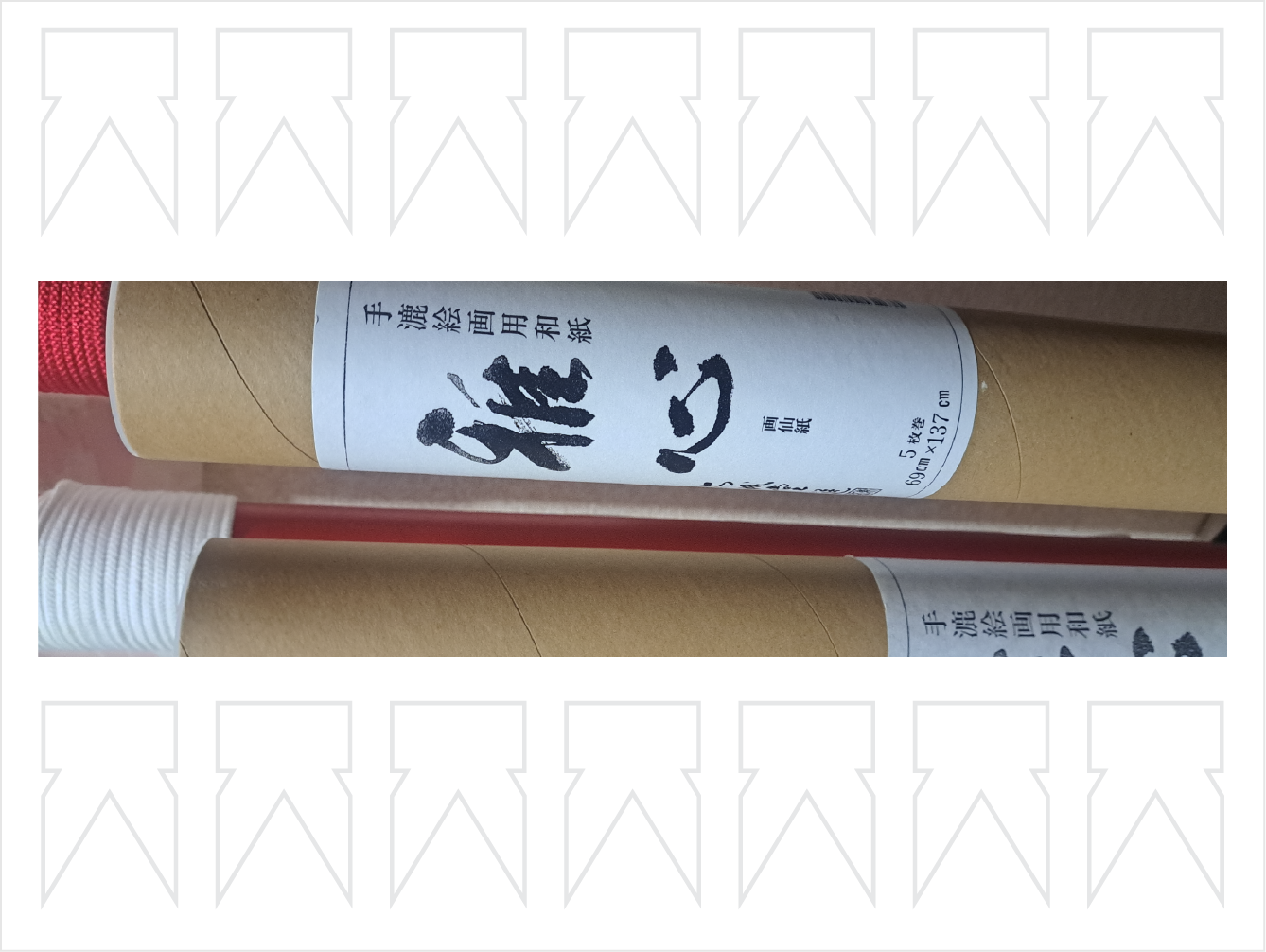
Today I finally took the first sheet of handmade Japanese washi paper out of its tube. Right away, I was struck by how delicate and complex it feels to work with. It's thin, fibrous, and has this beautiful translucent quality.
The size I ordered is huge. When I unrolled it, it was kind of intimidating. My desk definitely isn't big enough; I might have to clear the floor or find a bigger space to spread it out properly
One idea I'm playing with is folding parts of it in an origami-inspired way. That could make the piece more manageable, add some depth and dimension, and bring in interesting layers of solidity, transparency, and varied shapes.
Also thinking about the ginkgo leaves I collected last month. To get that fresh, floating-on-water look, I'll probably need to rehydrate the dried ones a bit—they should soften up and regain some vibrancy without losing their form.